Beyond Gene Expression: Single-Cell Isoform-Resolved Biology
Webinar
Why This Webinar?
Prof. Hayrabedyan’s laboratory (Institute of Biology and Immunology of Reproduction, Bulgarian Academy of Sciences) is using the ArgenTag kit with Oxford Nanopore sequencing to study transcript-variant changes between a parental prostate cancer cell line and a stem-like cell population derived from it during culture. This requires resolving full-length transcripts at the single-cell level, rather than relying on gene-level expression alone.
Join our live session to explore the technical integration behind this workflow and see how it preserves cell identity while enabling precise, isoform- and fusion-resolved single-cell profiling.
What You’ll Learn
-
How ArgenTag generates full-length, cell-barcoded cDNA without dedicated cell-partitioning instrumentation.
-
How to prepare ArgenTag cDNA for Oxford Nanopore ligation sequencing.
-
Where gene-level expression falls short for questions about transcript structure.
-
Why full-length transcript resolution was key for Prof. Hayrabedyan’s team to uncover stem-like state transitions in prostate cancer.
-
What to consider when planning single-cell long-read studies.
Planning your next
single-cell long-read
experiment?
Something exciting is coming!
Join us live on September 22 for a special announcement!

Webinar
Mark your calendar
Date: Tuesday, September 22, 2026
Time: 8AM PT | 11AM ET | 5PM CET
Reserve your spot
Registration is free, but space is limited.
Recording available after the event.
Join us to explore how single-cell long-read RNA sequencing performs in real research settings, with a live Q&A.

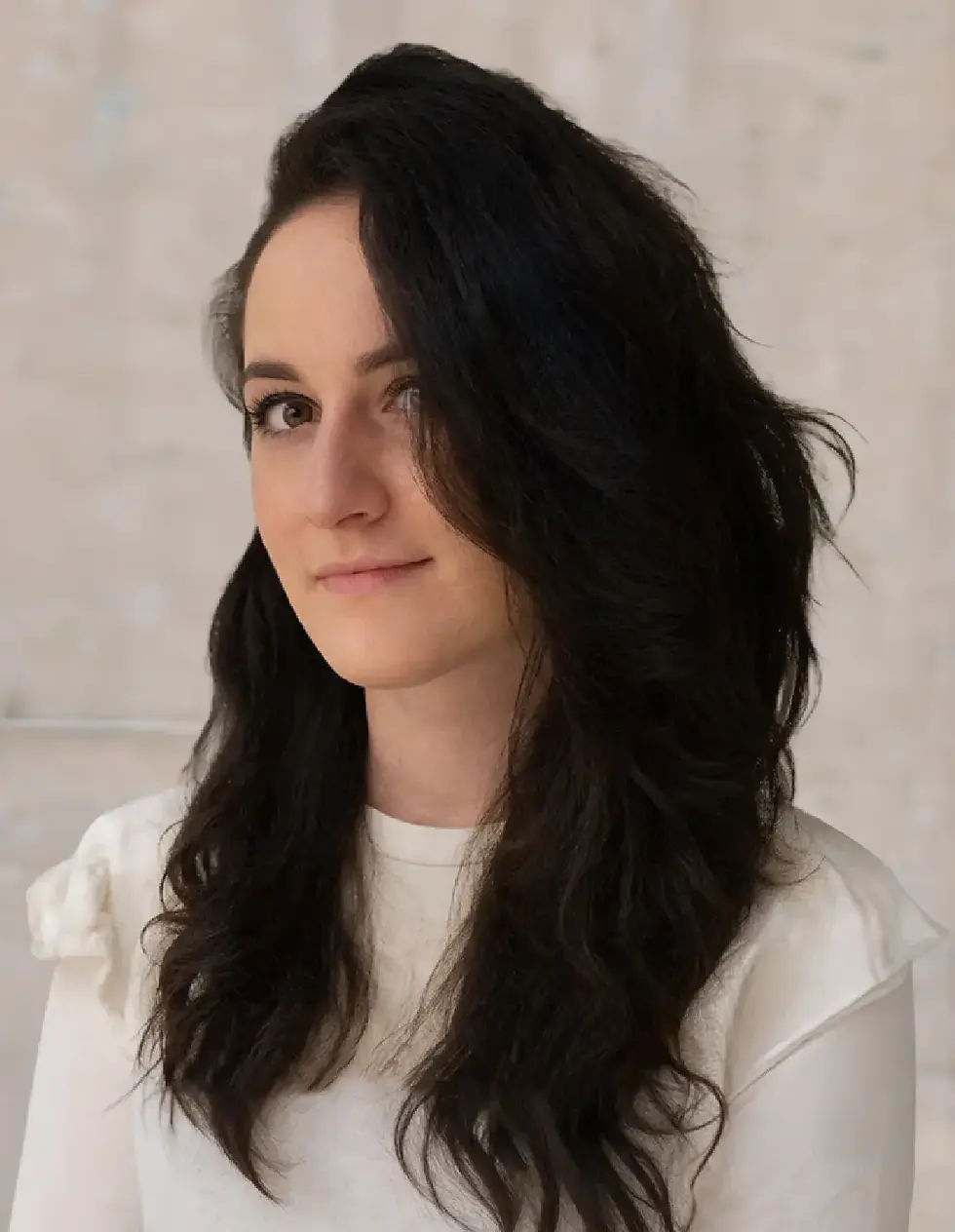
Sofia Lavista Llanos,
PhD
Director of Process Development at ArgenTag

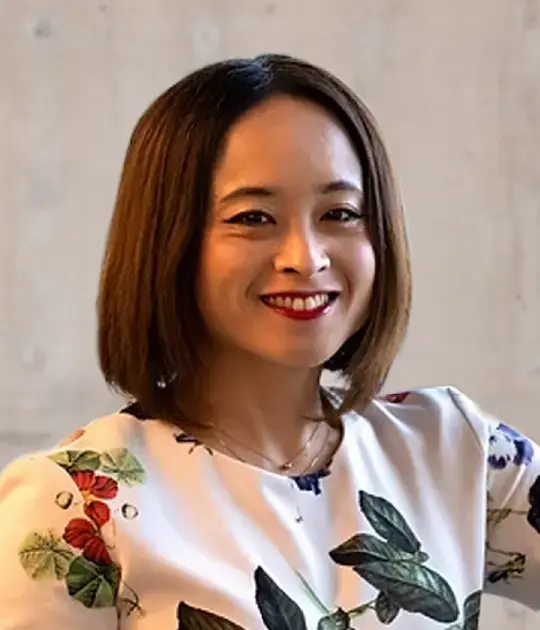
Patrick Murphy,
PhD
Market Segment Manager, Transcriptomics at Oxford Nanopore Technologies

Prof. Soren Hayrabedyan
MD, PhD, DSc
Director at Institute of Biology and Immunology of Reproduction (IBIR, BAS)
Yes. A recording will be available shortly after the live session.
No. The focus is on workflows, performance, and real biological questions.
Yes. Live Q&A will be included.
No, but familiarity with RNA-seq workflows is helpful.